They are changing the television industry by giving audiences access to free, ad-supported streaming television. This occurs without the need for a traditional cable subscription. As viewers move from cable and satellite TV to internet-connected televisions, fast channels create new opportunities for broadcasters. Content owners and advertisers also benefit.
But the future of FAST channels is about more than delivering free television. It is about building sustainable broadcasting businesses that turn audiences and viewing hours into measurable revenue. Check out Kapang for the latest FAST Channels

What Are FAST Channels?
FAST stands for Free Ad-Supported Streaming Television. FAST channels are television channels delivered over the internet that viewers can watch for free, with programming funded primarily by advertising rather than monthly subscriptions.
Unlike traditional video-on-demand platforms, FAST channels typically follow a linear television schedule. Viewers can tune in at any time and watch a continuous stream of scheduled programming, just as they would with conventional television.
FAST channels are available across Smart TVs, Connected TV (CTV) devices, streaming boxes, mobile applications and other internet-connected platforms.
Popular FAST channel formats include:
- Entertainment Channels: Movies, drama, comedy and general entertainment.
- Sports Channels: Live sports, highlights, interviews and specialist sporting content.
- News Channels: Live news, breaking stories and current affairs.
- Documentary Channels: Factual programming, history, science and true crime.
- Lifestyle Channels: Food, travel, automotive, fitness and home improvement.
- Niche Channels: Specialist programming for specific audiences, interests and communities.
For broadcasters and content owners, FAST channels offer a way to reach global audiences without relying exclusively on traditional cable carriage or subscription-based distribution.
How Do FAST Channels Make Money?
FAST channels generate revenue by showing advertisements during programming. Advertising inventory can be sold directly to brands or through programmatic advertising systems that connect publishers with advertisers.
The basic business model is straightforward: attract viewers, generate viewing hours, deliver advertising and share the resulting revenue.
However, the amount a FAST channel earns depends on several factors, including audience location, viewing time, advertising fill rate, advertiser demand, content quality, and the fees charged by intermediaries.
Traditional FAST distribution models involve multiple ad-tech providers, including supply-side platforms (SSPs), demand-side platforms (DSPs), advertising exchanges, server-side ad insertion (SSAI) providers and other technology vendors. Each layer may introduce costs or revenue deductions.
As a result, a channel can generate substantial viewing figures without necessarily delivering the financial returns its content deserves.
The real measure of a FAST channel is not simply how many people watch it. It is how effectively those viewing hours are converted into revenue for the content owner.
Legacy FAST Channels Versus Next-Generation FAST
The first generation of FAST channels helped establish free streaming television as a mainstream distribution model. Broadcasters could launch channels, distribute library content and reach viewers across a growing number of Smart TV platforms.
However, the industry now faces a more important challenge: improving the economics of streaming television.
Legacy FAST models can prioritise channel distribution, advertising impressions and audience growth while leaving content owners with limited visibility into the full revenue chain.
View TV is developing a next-generation approach to streaming television that places greater emphasis on monetisation, transparency and sustainable returns.
The distinction is simple: distribution creates the opportunity to reach audiences, but monetisation determines whether a channel becomes a viable business.
View TV: Building the Next Generation of FAST Channels
View TV is focused on helping broadcasters, studios and content owners build, distribute and monetise streaming television channels.
Its approach combines streaming distribution, broadcast services, advertising technology and content monetisation into an integrated ecosystem designed for the Connected TV market.
View TV’s next-generation FAST strategy focuses on several key principles:
1. Revenue-First Channel Economics
Channel performance should be measured by more than impressions, channel launches or total viewing hours. Revenue per hour viewed provides a useful way to understand how effectively a channel monetises its audience.
2. Transparent Monetisation
Content owners need clear reporting, visibility into advertising performance and a better understanding of deductions between gross advertising revenue and the money they actually receive.
3. Efficient Distribution
Modern streaming infrastructure allows television channels to reach audiences across Connected TVs, streaming devices and other internet-connected screens without the limitations of traditional broadcast infrastructure.
4. Broadcast-Quality Programming
Successful channels need a recognisable identity, consistent scheduling, strong programming and a viewing experience that reflects the standards of professional television.
5. Sustainable Returns for Content Owners
The long-term objective is to make streaming television more commercially attractive for the people who create, own and invest in content.
Learn more about the View TV platform and services.
The $100 RPM Vision for Next-Generation FAST Channels
One of the biggest opportunities in streaming television is to improve the revenue generated by every hour of audience viewing.
View TV uses a $100 RPM benchmark, equivalent to $100 per 1,000 hours viewed, or $0.10 per viewing hour, as a target for its next-generation FAST monetisation model.
This is a commercial target, not a guaranteed industry rate. Actual earnings depend on audience composition, advertiser demand, fill rates, pricing, technology costs and the contractual revenue share.
For example, consider a channel generating 100,000 viewing hours per month.
| Monetisation metric | Illustrative result |
|---|---|
| Monthly viewing hours | 100,000 |
| Target RPM per 1,000 viewing hours | $100 |
| Illustrative monthly revenue | $10,000 |
At one million viewing hours per month, the same target would represent $100,000 in monthly revenue, assuming the full benchmark is achieved on the stated revenue basis.
These figures illustrate the potential of revenue-led channel economics. They are not forecasts or guarantees, and comparisons with legacy FAST channels must use consistent definitions of gross or net revenue.
The opportunity is to move beyond a model that celebrates audience growth alone and towards one that measures the commercial value of every viewing hour.
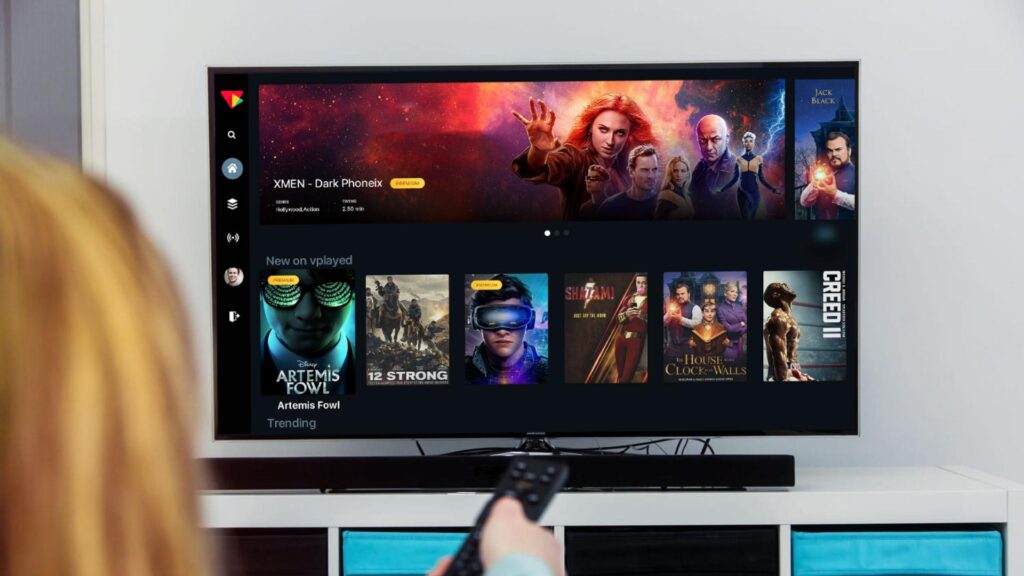
FAST Channels and the Future of Connected TV
Connected TV is expanding the role of internet-delivered television in the living room. Smart TVs and streaming devices allow broadcasters to reach audiences through digital distribution while retaining the familiar experience of scheduled television.
FAST channels sit at the intersection of traditional broadcasting and digital advertising. They combine the programming structure of linear television with the reach, targeting opportunities and measurement capabilities of internet distribution.
As the market develops, several factors are likely to influence the next phase of growth:
- Better monetisation of existing viewing hours.
- More transparent advertising revenue reporting.
- Stronger relationships between content owners and distributors.
- Improved measurement of audience engagement and commercial performance.
- More efficient streaming and advertising infrastructure.
- Greater investment in distinctive, high-quality programming.
The winners will not necessarily be the platforms with the largest number of channels. They will be the businesses that attract valuable audiences and build sustainable economics around their content.
How to Launch a FAST Channel
Launching a FAST channel requires more than uploading videos to a streaming platform. A successful channel needs a clear commercial strategy, programming plan and distribution model.
The main steps include:
- Define the channel concept: Identify the genre, target audience and competitive positioning.
- Secure programming rights: Build a library of content with the necessary distribution and advertising rights.
- Establish playout and delivery: Prepare scheduled programming, encoding, streaming and distribution infrastructure.
- Choose the monetisation model: Determine how advertising will be sold, inserted, measured and reported.
- Secure distribution: Make the channel available through relevant Smart TV platforms, streaming services and other compatible devices.
- Measure performance: Track viewing hours, audience geography, advertising delivery, fill rates and revenue.
- Optimise profitability: Improve programming, distribution and monetisation based on measurable results.
View TV aims to support this process through its streaming television and content monetisation ecosystem.
Are FAST Channels the Future of Television?
FAST channels have established a compelling alternative to subscription-only streaming and traditional pay television. They offer free access for viewers, new distribution opportunities for content owners and advertising inventory for brands.
The next stage of the industry will depend on improving the economics behind that growth.
As competition increases, broadcasters will need to look beyond the number of channels they launch or the number of platforms carrying their content. They will need to understand the relationship between viewing hours, advertising revenue, distribution costs and the returns delivered to content owners.
FAST is a delivery model, not a content format. The future belongs to businesses that combine compelling programming, efficient distribution and effective monetisation.
View TV is focused on advancing that model through next-generation streaming television, with an emphasis on transparency, revenue performance and the long-term value of content.
Discover how View TV is approaching the future of FAST channels and Connected TV.
Frequently Asked Questions About FAST Channels
What does FAST stand for?
FAST stands for Free Ad-Supported Streaming Television. It describes internet-delivered television channels that viewers can watch without paying a subscription, with advertising funding the service.
Are FAST channels free?
Yes. FAST channels are generally free for viewers to watch, although they require an internet connection and may be available only on supported platforms or in certain territories.
How do FAST channels make money?
FAST channels typically earn revenue through advertisements shown during programming. Earnings depend on viewing hours, advertising rates, fill rates, audience location and the share retained after applicable costs and fees.
What is the difference between FAST and AVOD?
FAST generally refers to scheduled, linear streaming channels. AVOD, or Advertising-Based Video on Demand, refers to on-demand video funded by advertising. Some services offer both.
Can content owners launch their own FAST channel?
Yes. Content owners can launch channels by securing programming rights, establishing playout and streaming infrastructure, arranging distribution and implementing an advertising monetisation strategy.
What is next-generation FAST?
Next-generation FAST is an approach focused on improving the commercial performance of streaming television through more transparent reporting, efficient technology, stronger monetisation and better returns for content owners. View TV’s $100 RPM benchmark is one example of a revenue-focused target for this approach.
How does View TV support FAST channels?
View TV provides streaming television services and a content monetisation ecosystem intended to help broadcasters, studios and content owners distribute programming and develop sustainable Connected TV businesses.
View TV | The Future of Streaming Television
Website: https://viewtvx.com/